Installation and integration of modern facility technologies require a holistic approach, blending physical security, IT infrastructure, and audiovisual systems into a unified platform.
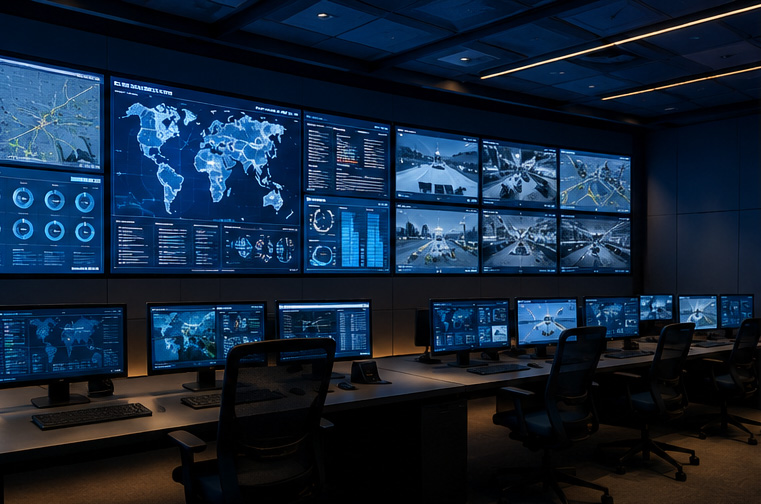
Command and Control Centers serve as the nerve center, involving the installation of large-scale video walls, ergonomic workstations, and specialized control software that integrates data streams from all other subsystems. Underlying this, Data Centers are installed with robust, secure network infrastructure (racks, servers, cooling, and UPS) that support the high-density requirements of mission-critical operations. To ensure continuous connectivity, especially in challenging environments, Mesh Networks are deployed, utilizing intelligent nodes that route data dynamically to avoid bottlenecks or network failures.
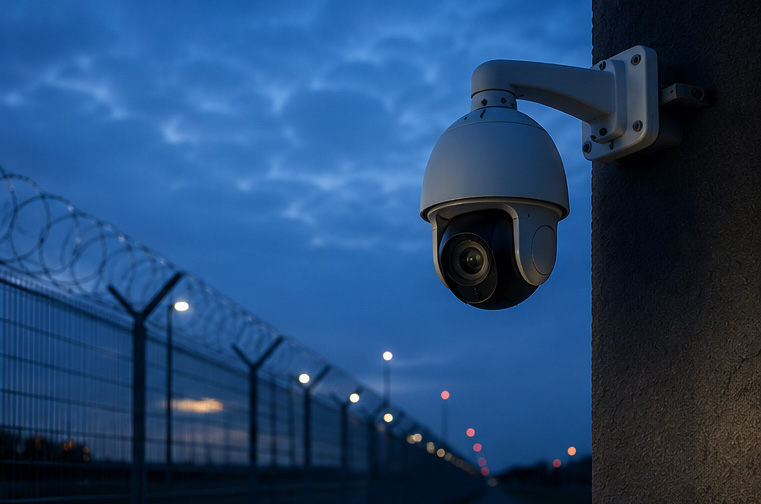
Physical security is orchestrated through integrated systems designed for rapid response. Integrated Access Control Systems are installed at entry points, interacting with CCTV/Surveillance Systems (IP cameras, VMS) to provide real-time visual verification of access events. Intrusion Alarm Systems enhance this by detecting unauthorized activity, which can trigger automatic video recording or locking procedures. The outer layer of protection, Perimeter Detection and Radar Systems, uses sensors (fence-mounted or ground-based) to identify intruders at the boundary, feeding alerts directly to the command center to provide situational awareness before a breach occurs.
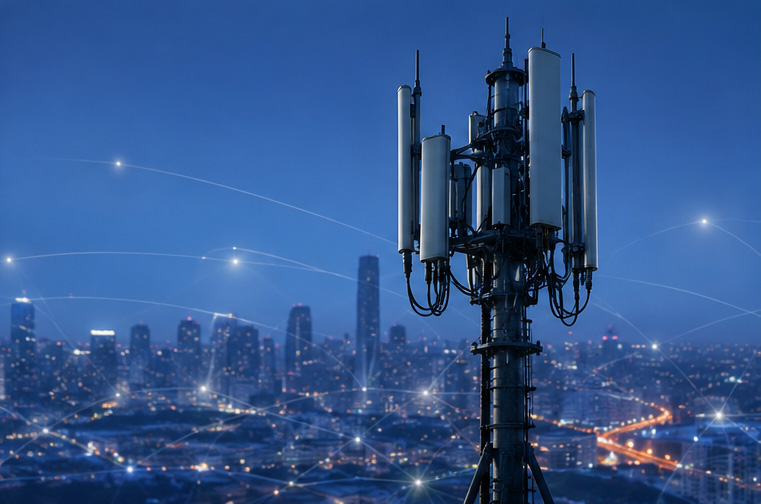
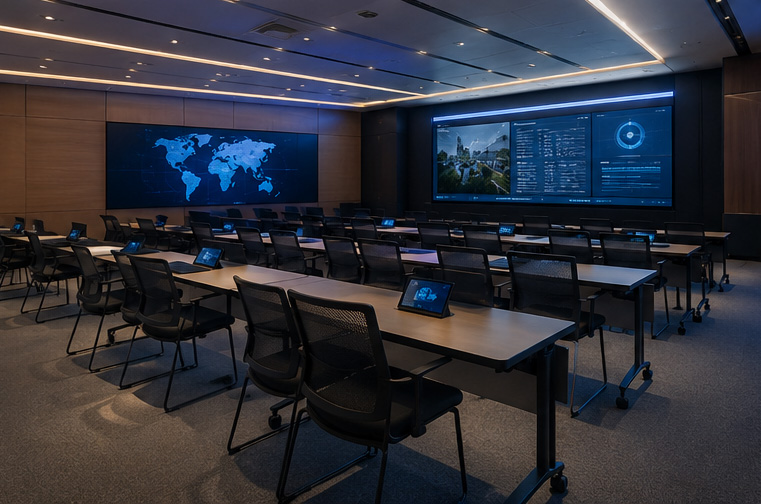
Within the facility, Auditoriums and Training Classrooms are equipped with advanced Briefing and Display Systems – such as high-definition projectors, laser displays, and motorized screens – integrated with Video Conferencing Solutions (e.g., Zoom Rooms, Microsoft Teams) for hybrid collaboration. The audio environment is optimized for communication through Paging Systems for PA announcements and Sound Masking technologies that increase speech privacy in open offices or sensitive areas. In emergency scenarios, Mass Notification and Emergency Systems take precedence, linking with fire alarms and access control to automate building-wide alerts, visual notifications, and safe egress procedures. Finally, comprehensive cabling for Distributed Antenna Systems (DAS) is installed, involving the careful routing of fiber optic or coax cabling from roof-mounted donor antennas to indoor antennas, ensuring seamless cellular and public safety radio coverage throughout the building.